Forget the keynote.
The important conversation isn't the one I have with your team. It's the one they have with each other.
An immersive team experience built around Validation Languages, capacity, and the conversations that shape how people work together.
Every prompt is optional. People choose their depth.
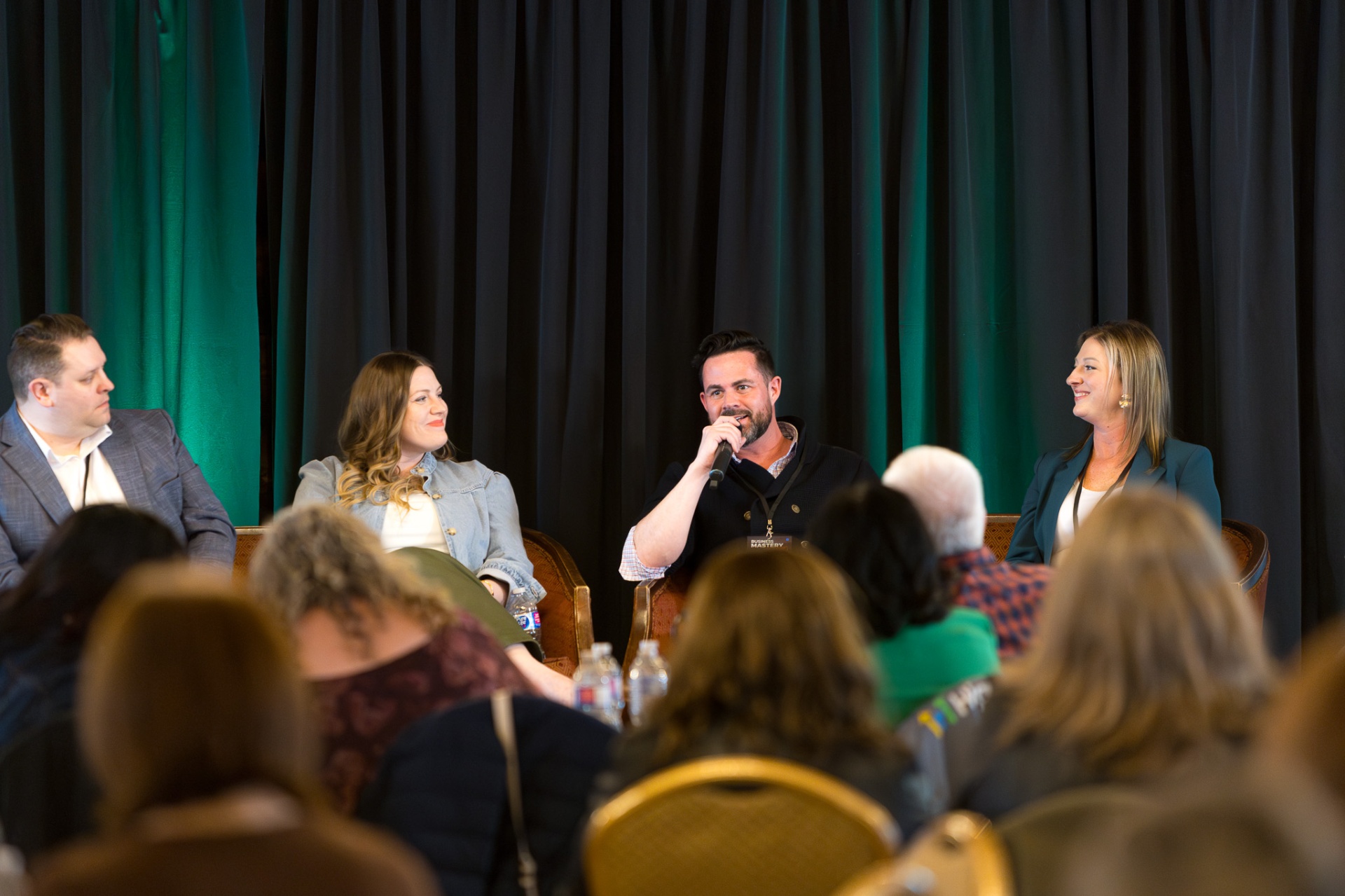
From leadership teams around a table to rooms of thousands…
in person or remote.

What changes when people stop guessing.
Imagine knowing how the people you lead recognize support. What tells them their contribution was noticed. What makes it easier to receive feedback, ask for help, or tell you that something isn't working.
Teams often believe they agree because everyone is using the same words. Support. Recognition. Feedback. Ownership. Alignment. The meeting ends with everyone nodding… while each person returns to work carrying a different picture of what was agreed to.
Support to one person may mean being given room to think. To someone else, it may mean visible backup when the pressure rises.
Same word. Different experience.
Validation Languages gives managers and teams a way to ask before assuming… and a better chance of noticing the mismatch before frustration becomes disengagement.
People do not always leave because they stopped caring about the work. Sometimes they leave after spending too long feeling invisible inside it.
A person can be recognized publicly and still feel invisible in the same week. For some people, recognition may help them feel seen. For someone else, those may be two different experiences. That difference matters when a manager believes they have been giving someone exactly what they need.
The work can go deep. It never depends on forcing anyone to.
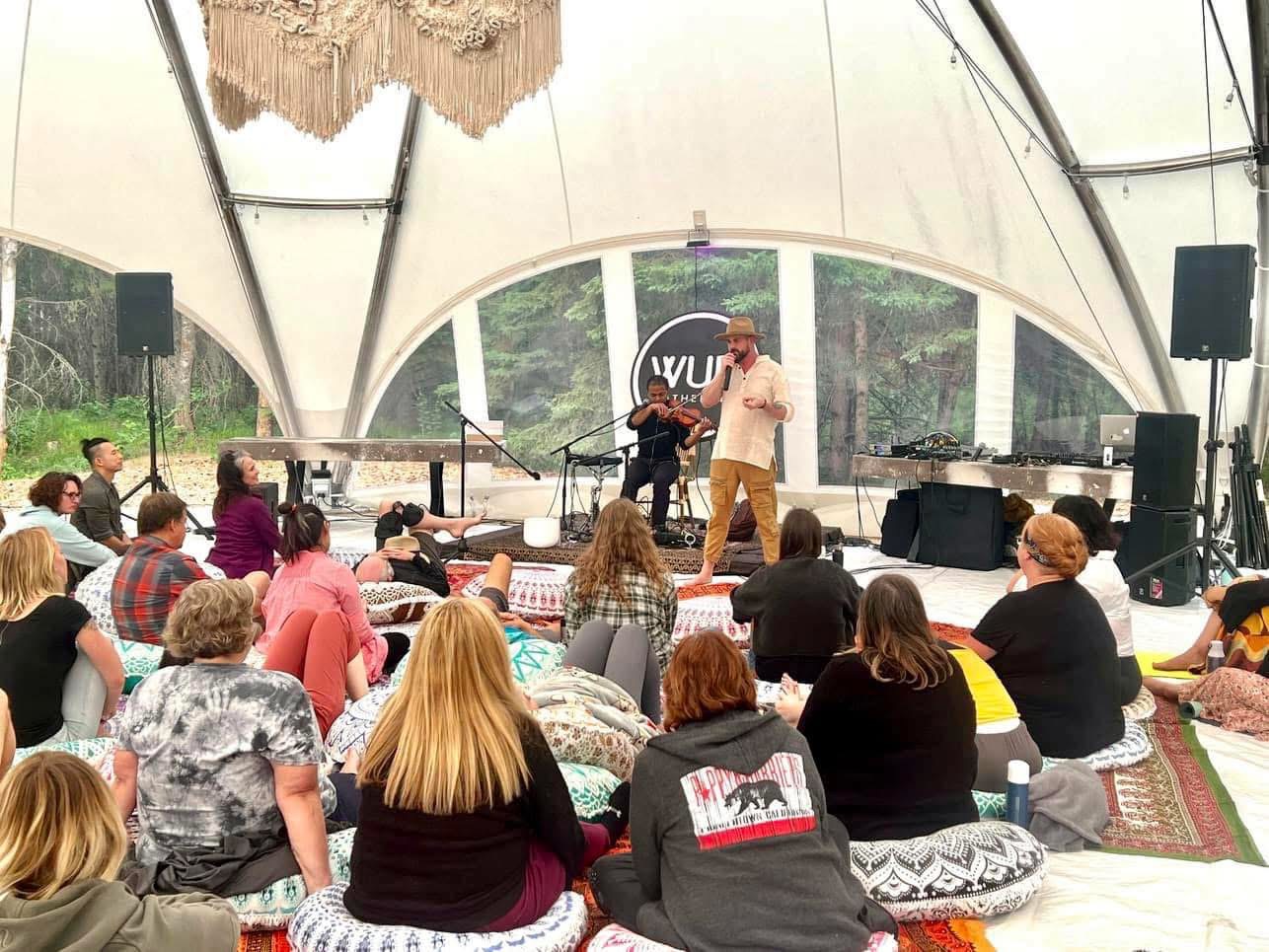
Every prompt is optional. People decide what they share and how far they want to take a conversation. The room is designed to make honesty possible without turning disclosure into a requirement.
Nothing is extracted from anyone.
- Every prompt is optional, and participation never requires private or traumatic disclosure.
- The framework is not used to diagnose or permanently profile employees.
- Team-level information includes only what participants knowingly agree to share.
Sensitive clinical needs remain outside the scope of a workplace session.
A better question before assigning a motive.
The quiet person may not be disengaged. The person who shrugs off public recognition may not be ungrateful. The framework gives a manager another question to ask before assigning a motive.
A Witness and an Anchor may not recognize the same response as support. Learning the languages does not make people instantly understandable. It gives the team a more precise place to begin.
Behavior that once looked confusing may begin to offer a better question. It can help interrupt some of the misreadings that quietly shape trust, communication, and whether people remain engaged.
What your team leaves with.
A practical map.
Participants identify the responses that tend to help them feel understood. Any team-level map is created from information people agree to share. It is a conversation aid… not a permanent label or diagnostic profile.

A more precise place to begin.
Managers leave with questions and responses worth trying with each language, while remaining curious about the individual in front of them.

An honest look at capacity.
The team looks at where capacity is strained, where responsibility has become concentrated, and what may need to change before exhaustion becomes disengagement or departure.

The question deck.
A set of questions that makes it easier to continue conversations most teams rarely make time to have. It stays with the team long after the session ends.
Agreements.
The room turns what it notices into specific agreements around communication, support, capacity, feedback, and what the team will do differently.

the seen experience…
The map leaves the page.
The Seen Experience is what happens when people do this work out loud with other humans.
They discover the languages. They hear how their intentions may be experienced by someone else. They look at capacity honestly. They practise asking with more precision. And they leave with agreements the room created together… not rules handed down by another speaker.
- 01 · MAP
How does each person recognize that they have been seen?
- 02 · TRANSLATE
Where are we using the same words but meaning different things?
- 03 · CAPACITY
Who is carrying too much, running low, or unable to access what the team currently needs?
- 04 · AGREEMENTS
What will this team do differently on Monday?
experience…
Built from twenty-five years inside the room.
I've spent more than twenty-five years building and managing teams, working with organizations, sitting in executive seats, leading retreats, and creating large conferences and industry summits.
Through the summits and events I helped build, we brought together people and organizations responsible for more than $3.5 billion in annual digital media spend. At that scale, the platforms mattered. The strategy mattered. The numbers mattered. But underneath nearly every result… and nearly every problem… were human beings trying to communicate, make decisions, manage pressure, build trust, and understand one another.
Validation Languages did not begin as a corporate training product. It grew from years of noticing what happens between people… especially when everyone believes they are speaking the same language.
People problems do not become less human at scale… they just become more expensive.
the scale of it…
In 2025, only 20% of employees worldwide were engaged at work, according to Gallup's State of the Global Workplace.
Gallup also reports that managers account for at least 70% of the variance in team-level engagement.
Sources: Gallup, State of the Global Workplace 2026; Gallup on manager impact. Research here indicates the scale of the issue. It is not a validation of any specific offering.
How we'll know what changed.
A meaningful afternoon is not enough.
Before the experience, we establish a simple baseline around how people currently experience understanding, communication, support, and capacity within the team. After the work has had time to meet the actual week, we return to those questions.
You receive what appears to have shifted, what has not, and where the team may still need a better conversation.
Results are reported in aggregate so individual responses remain private.
The numbers will not tell the whole story. They help us see whether the work followed people back into how they actually work together.
Formats.

The Experience
60 to 90 minutes · in person or remote
An immersive introduction for conferences, company gatherings, and larger rooms. I introduce the framework, then the room works with it directly through guided paired conversation. Best when you want more than a talk… but do not have a full day.
The Team Day
Half or full day
For teams ready to understand their patterns more closely. The day can include the six languages, translation, capacity, manager application, and agreements the team creates together.

The Deep Work
2 to 3 days · leadership offsites
For leadership teams that need enough time and distance to work with something that cannot be resolved between ordinary meetings. Somewhere with trees. The room where the difficult thing can be named while there is still time to do something useful with it.
Fit matters… for you and for me.
I don't take every room. The first conversation is where we look at fit, the organizational need, participant group, format, preparation, and investment together.
Teams engagements are proposal-based. You'll know the full scope before agreeing to anything.